Contact us at +6017 301 5003

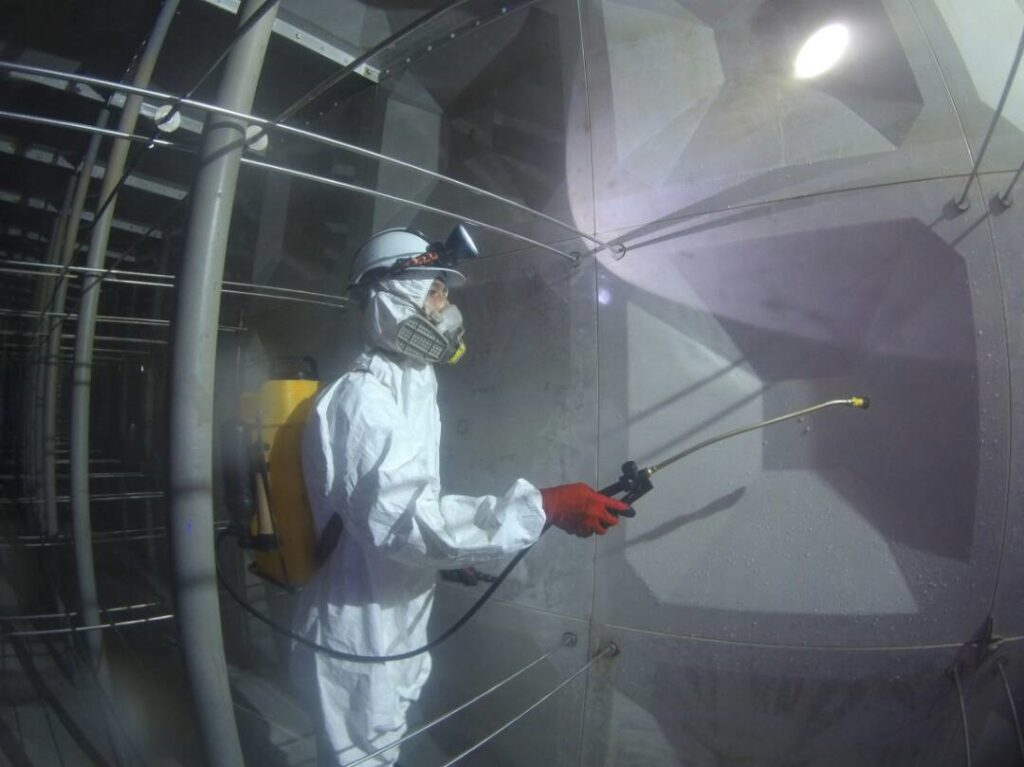
Water tank cleaning refers to the process of removing sediment, contaminants, and impurities from water storage tanks to ensure the water remains safe and clean for consumption or other uses. It typically involves draining the tank, scrubbing its interior surfaces to remove buildup and debris, disinfecting to kill harmful microorganisms, and then refilling with clean water. Regular cleaning of water tanks is important to prevent waterborne diseases and maintain water quality.
Water quality analysis involves assessing the chemical, physical, and biological characteristics of water to determine its suitability for various uses such as drinking, irrigation, industrial processes, and aquatic life support. It typically includes testing parameters such as pH, dissolved oxygen, turbidity, conductivity, nutrients, heavy metals, pathogens, and other contaminants to ensure water meets regulatory standards and is safe for its intended purposes.
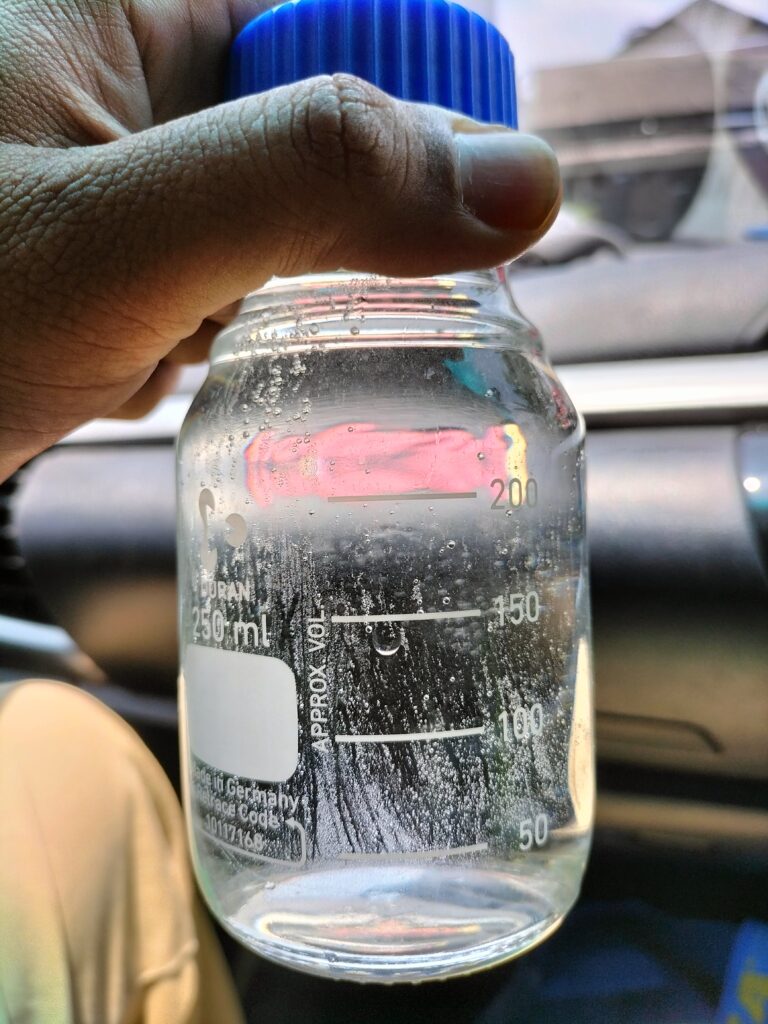
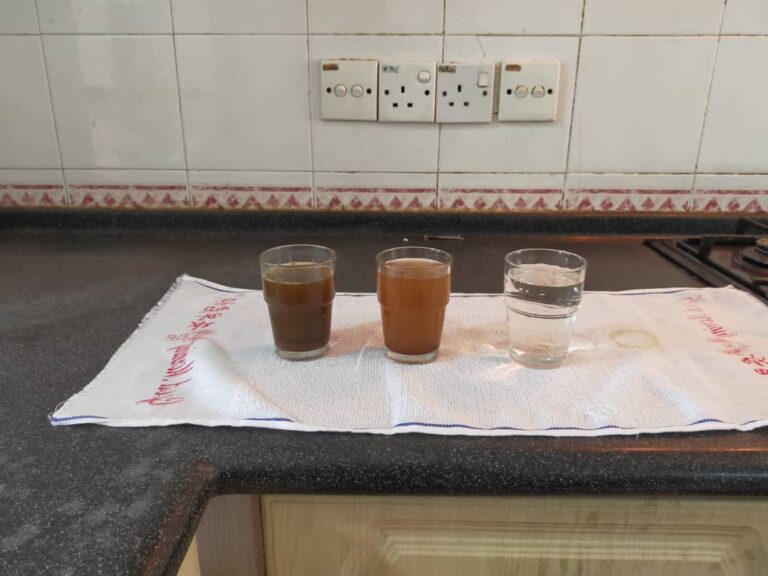
Internal pipe cleaning refers to the process of removing contaminants, deposits, scale, rust, or other debris from the inner walls of pipes or tubing used in plumbing, industrial systems, or fluid transport networks. This cleaning is essential to maintain the efficiency and integrity of the pipe system, ensuring smooth fluid flow and preventing blockages or corrosion that could lead to reduced performance or structural damage. Special methods are used for internal pipe cleaning, by using specialized equipment designed to clean the interior surfaces without causing damage to the pipes themselves.
Building maintenance encompasses all activities involved in keeping a building in good operating condition. This includes routine inspections, repairs, and upkeep of various systems such as HVAC (heating, ventilation, and air conditioning), plumbing, electrical, and structural components. The goal of building maintenance is to ensure the safety, functionality, and longevity of the structure while also providing a comfortable environment for its occupants. It can involve preventive maintenance, reactive repairs, and ongoing assessments to identify and address issues before they become major problems.
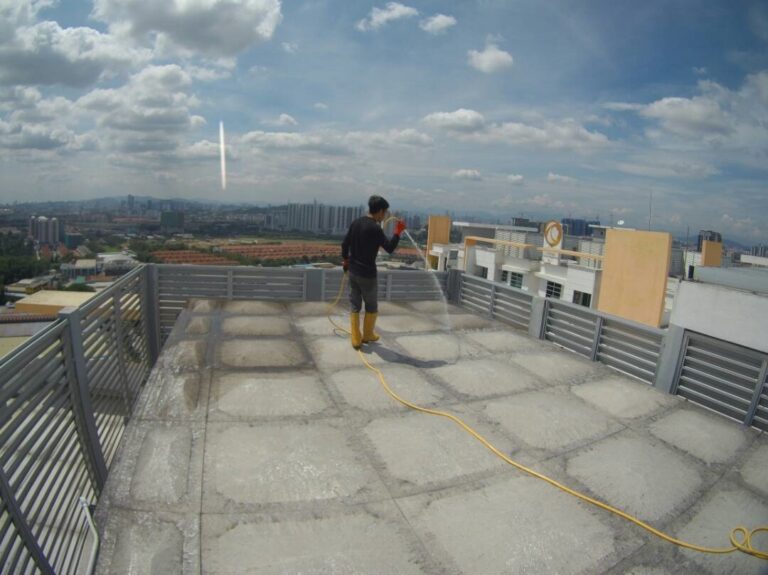
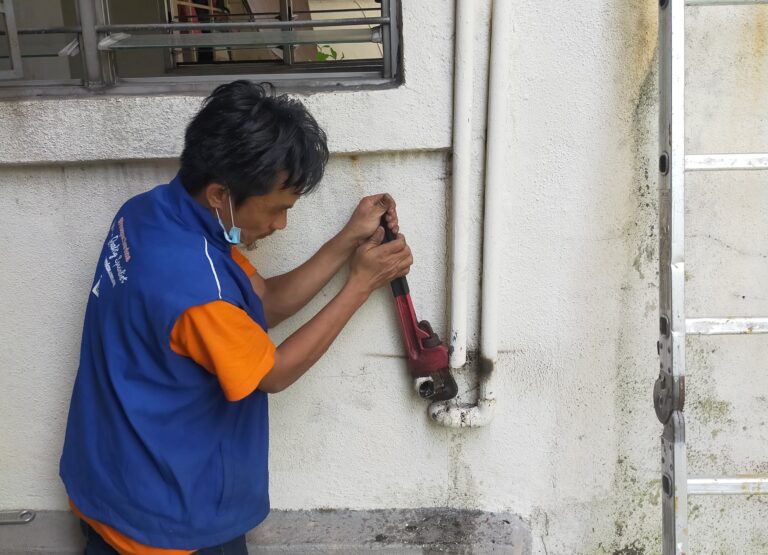
Plumbing refers to the system of pipes, fixtures, and fittings installed in buildings for the distribution of water for drinking, heating, washing, and sanitation purposes. It also includes the removal of waste water and sewage. Plumbers are professionals who install, maintain, and repair these systems to ensure they function properly.